Organic Farm Tour in Nagano, Japan
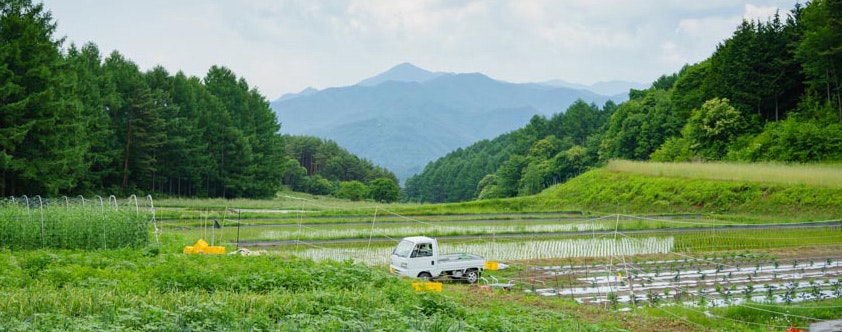
Nori is taking me to the farm that grows most of the organic vegetables that go into Sunshine’s juice which is sold through their 4 locations in Tokyo.
5 Tips for Becoming USDA Certified Organic
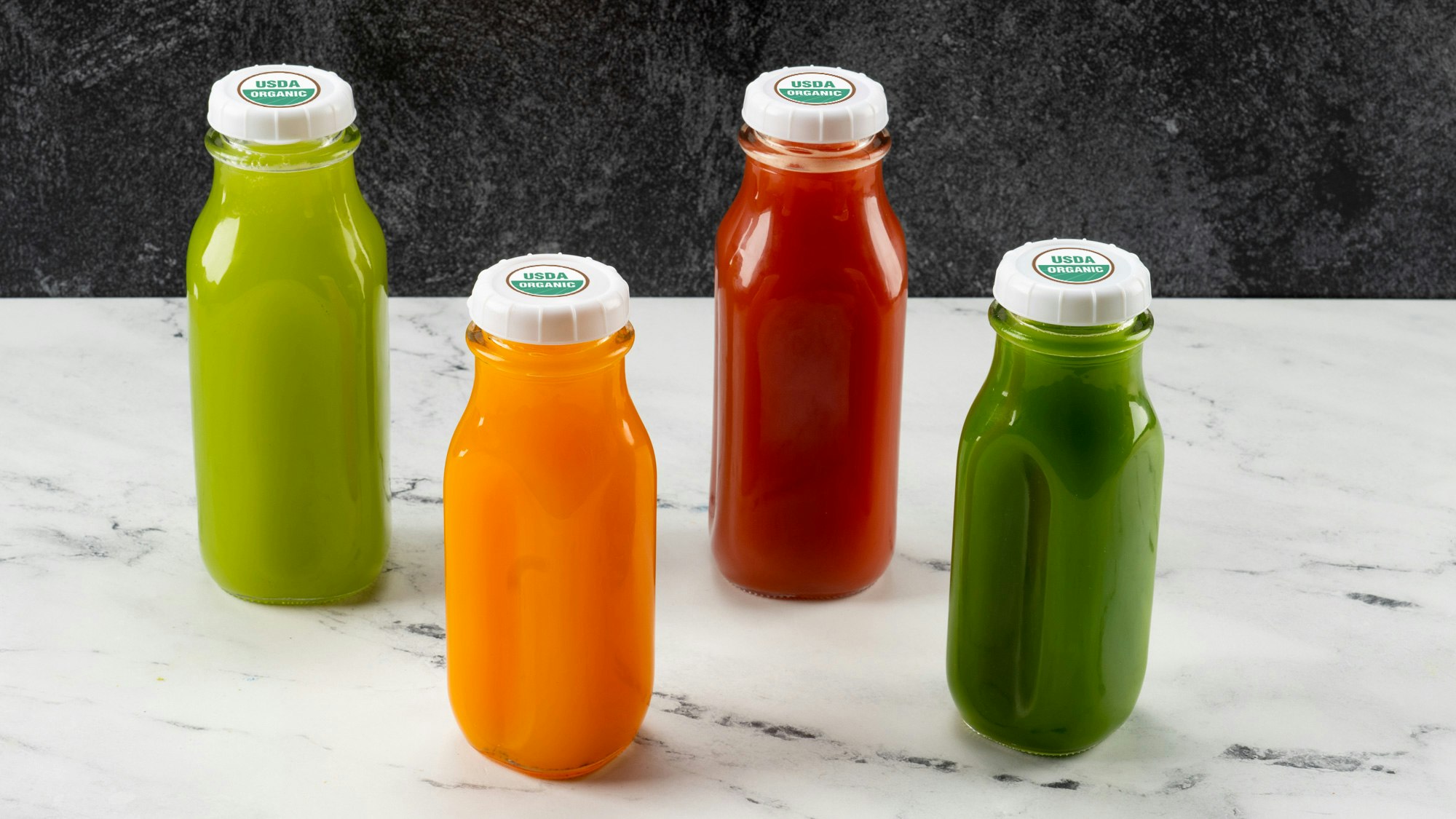
Is becoming USDA Certified Organic right for your business? There’s not a lot of information available about going through the process of becoming certified organic for cold pressed juice. After going through the tedious process myself, I was able to come up with a list of my top 5 tips for anyone considering starting the process.
How to Make Nut Milk on the Goodnature X-1 (with video)
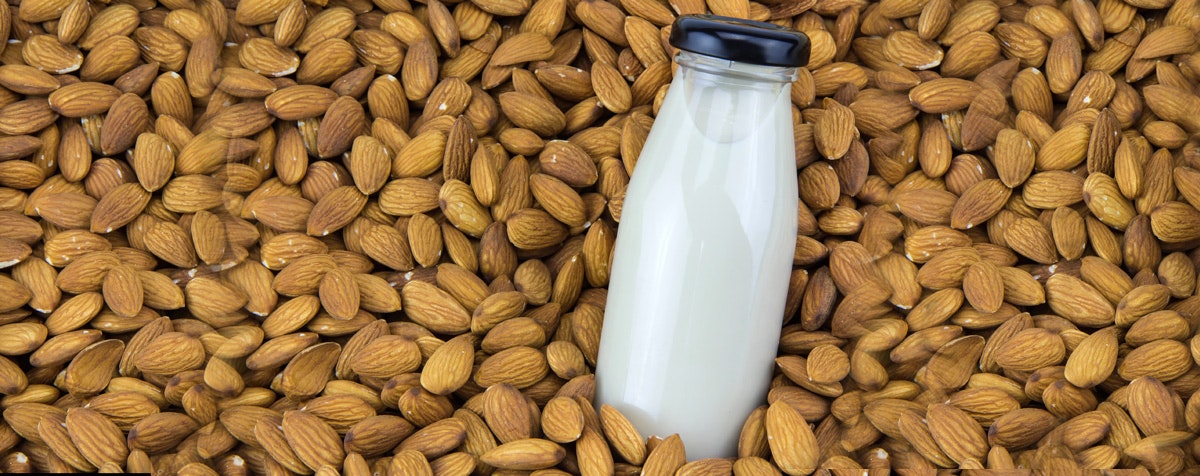
Nut milk (also known as “mylk”) makes a great addition to any business that sells juice. Nut milks have grown in popularity both in the grocery store and in juice bars within the last few years. There are even companies now that are making only raw nut milks. So what is nut milk? Well, it’s not actually milk, which does make it naturally lactose free, and it’s also very low in calories when served without any added sweeteners. Nut milk is just nuts, almonds and cashews most frequently, and filtered water. Sweeteners like dates, vanilla, or honey can be added to enhance the flavor. Making nut milk on the Goodnature X-1 is a simple process; it’s really just a matter of fine tuning your recipe to achieve the taste and creaminess you desire. Soak nuts in filtered water for 24 to 48 hours. That’s a pretty wide range but we have found that the longer the nuts are soaked, the less water is required later for blending. This should result in a creamier taste as well. Soaking should always be done in a refrigerator. Drain and rinse. The water will be dirty, especially if soaked closer to 48 hours. In the next step we will add in clean, fresh water. Weigh the nuts and add in filtered water. We weighed two pounds (.9 kg) of soaked nuts and added four pounds (1.8 kg) of water (about 2 liters / 68 ounces). Note: This is where some trial and error may be required as the ratio of nuts to water may vary depending on how you want it to taste and how long you soaked the nuts for. We found if we only soaked the nuts for 24 hours, the ratio had to be one part nuts to three parts water, at minimum, just to get the nuts to blend properly. With too little water, the slurry became like whipped frosting and wouldn’t press well. Soaking for 48 hours allowed us to do one part nut to two parts water. Blend the mixture into a slurry. We used the Vitamix XL because the size of mixture and it does a really great job of blending the nuts. We are only looking to break down the nuts into a smaller size, not get them so fine they will get into our milk. Typically 20 to 30 seconds is enough. Start the blender on a medium speed and take it up to high after 8 to 10 seconds. Pour into the press. The Monofilament Nut Milk Bag works the best as it is the most efficient and easier to clean. If you do not have one, a wide weave bag can be used. Repeat steps 3 – 5 until the bag is about halfway full or you’ve used all your nuts. Blend any additional solid ingredients For this recipe we used dates. After blending, add to the nut slurry. Start the press. Press very slowly to be sure the slurry doesn’t overflow the top of the bag. We set the press to take about 2 minutes to fully close. Add any additional liquid or powder ingredients. Popular ingredients include vanilla or cocao powder. Add to the nut milk and stir. Bottle, chill, and enjoy! Just like cold pressed juice, raw nut milk has a short shelf life. Keep the product refrigerated, and check with local health regulations about recommended shelf life. Make sure to fully clean and sanitize the X-1 before juicing anything else, as some customers may be allergic to nut based products. Also, there may be labeling requirements, read our article to learn more: FDA Labeling Requirements
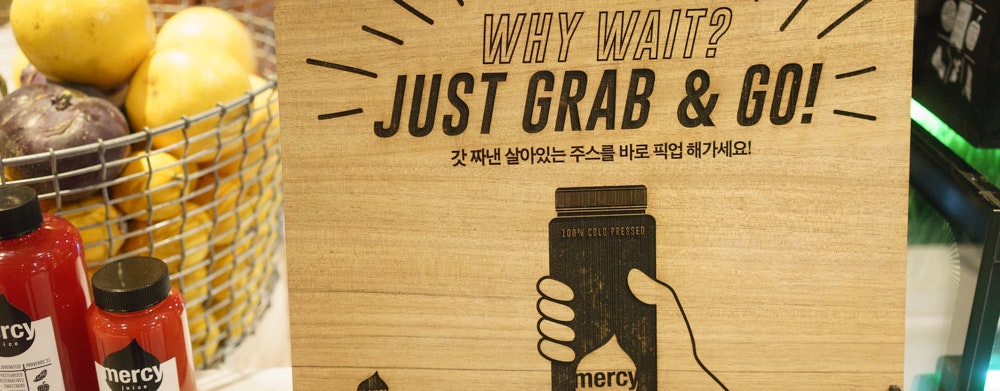
Spread the Juice – South Korea
One of the first things you’ll notice when visiting Seoul for the first time is the quantity of cafes and coffee shops. Seoul literally has more cafes per capita than any other city in the world.
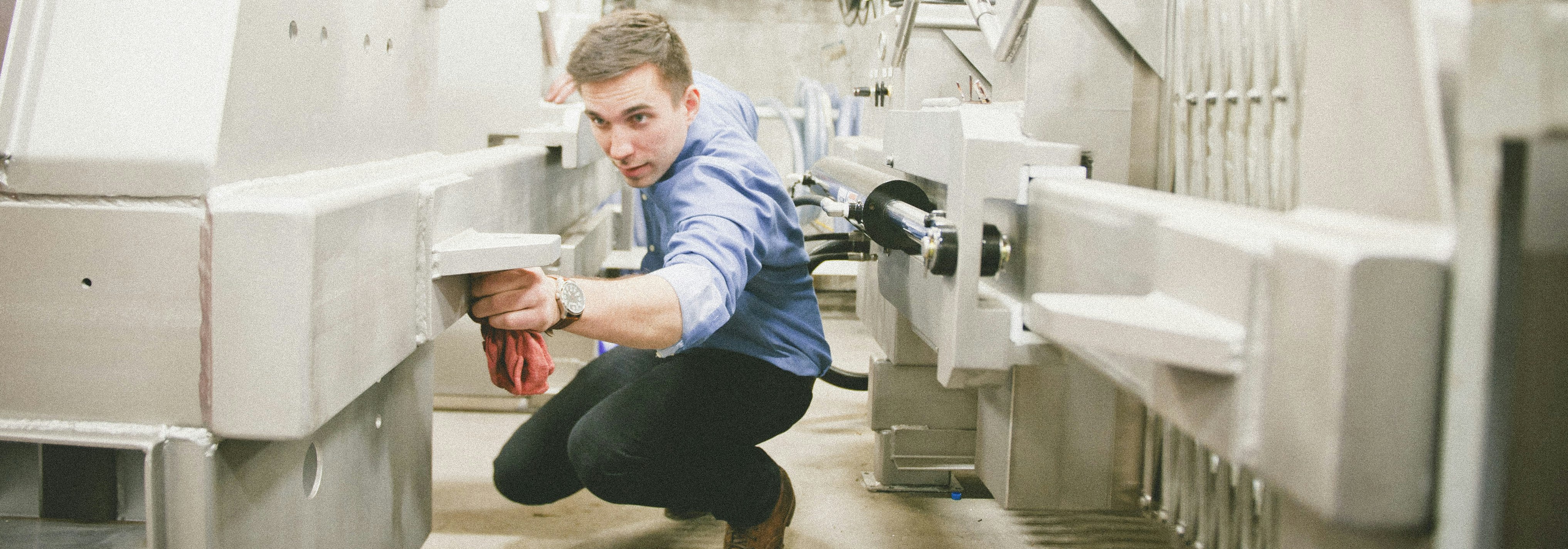
Engineering Cold Pressed Juice Equipment – A Letter From Eric
My Brother, Eric, is Vice President of Engineering at Goodnature, and sent out a wonderful email to myself and the other family members / Goodnature owners today. His words here describe exactly what cold pressed juice equipment is all about: All, I’ve been thinking about how to put in words what our goals are. One thing we do is try to design equipment that is based on minimal processing, which sounds like the easiest way to do it, but in fact it is the most difficult. We take a look at the process, distill it down to what is only absolutely necessary, and go from there. It is tempting as an engineer to over-design processing… heat something up to get it to flow better, use enzymes to make it less slippery, use chemicals to help clean it, preservatives and heat to make it last longer, and so on. The challenge is to take the processing out of beverage production; Figuring how to do it with the natural steps nature has provided us with, so that consumers have access to fresh and healthy beverages. How do you take the hand-made quality of cold pressed juice and scale it up to supply a whole juice bar or juice company? How do you keep things fresh, safe, and healthy without reaching into the food processor’s tool-bag? How do you get enough juice out of each cucumber or apple to stay competitive, with the disadvantage of not using cost-cutting additives and processing steps? Our challenge is simple: Take fresh fruits and vegetable, shred them, press them, and bottle the juice as quickly and as simply as possible without degrading the product in any way. What complicates the process is that we are living in a world that has gone too far down the processing road. Distributors that want 120 day shelf life, production managers that want to treat produce like it is a chemical or ingredient, instead of a living thing that needs to be handled as such, governing bodies that want food to be processed to a point of being sterile. Every extra step of processing is a step away from quality. We define quality as being as close to its natural state as possible. Quality is everything. Eric Wettlaufer Vice President Goodnature Products, Inc.
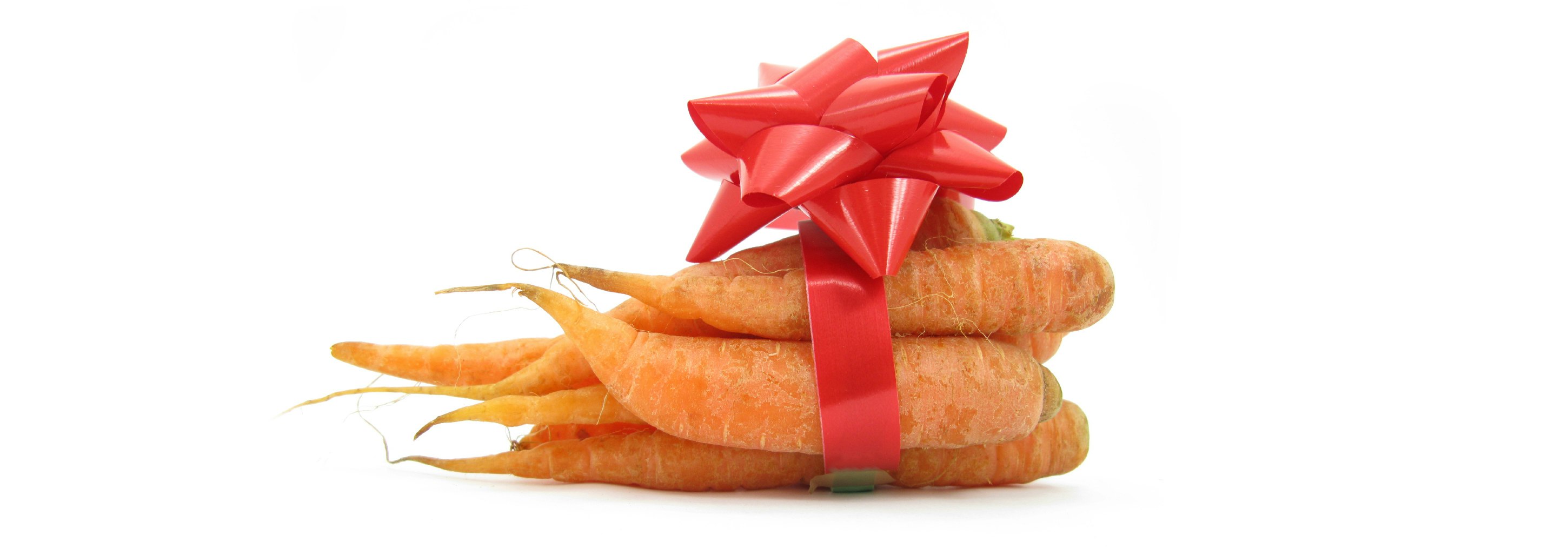
The Gift of Juice
I recently traveled to the countryside of Thailand to train Muay Thai (Thai kickboxing) for two weeks at a gym by the name of Sitmonchai, located in the Kanchanaburi province West of Bangkok by about 2 hours driving. Training at Sitmonchai is an otherworldly experience. Literally waking up by the crow of a rooster, our day starts at 6:00 AM with a 7 km jog on dirt roads, through a small rural village where sugarcane is the crop that supports the local families. When the cane gets to be a certain height, the farmers set it on fire to burn the leaves off, then walk through the fields in straw hats with machetes, hacking down the stalks. Ash falls from the sky like soft snow. This, combined with the Thai jungle heat and humidity makes for a surreal morning run. The running is just the warm up to the rest of the day of training. We would run, train, eat, sleep, then do it again in the evening, everyday, 6 days a week. By the end of two weeks I was truly sore and exhausted. Hats off to Thai fighters that live this life everyday, and the foreigners like my friend Nakano who have been living at the camp for two years plus. When it was time to go, I was packing my bags and there was a knock on my door. The camp director and my good friend, Abigail, brought me something. It was a small bottle of juice, made fresh from organic kale, spinach, ginger, and some other plants native to Thailand. It was in a small glass bottle, with a hand written label that read “Charlie Special.” After two weeks of intense training and no juice, drinking it sent a rush through my body similar to what Popeye goes through when he eats a can of spinach.

Goodnature Trade Shows 2015
Interested in speaking to us in person and learning more about our products and services? Come see at any of the following trade shows and conventions in 2015 (additional dates to be added later): International Restaurant and Foodservice Show March 8 – March 10 New York, NY Natural and Organic Products Europe April 19 – April 20 London, UK Naturally Good Expo May 3 – May 4 Sydney, Australia National Restaurant Association Show May 16 – May 19 Chicago, Il California Western Food Service and Hospitality Show August 23 – August 25 Los Angeles, CA
24 Gallons of Juice in 36 Minutes (video)
People often ask about the validity of the “up to 20 gallons per hour” claim of the Goodnature X-1 cold press juicer, so we decided to test it ourselves in our demonstration kitchen. In preparation, we purchased enough cucumbers to make a bit more than 20 gallons of juice (about 240 lbs), and to our surprise we processed all of it in 36 minutes, yielding approx. 24 gallons of cold pressed juice! If we break down the experiment and do the math, it turns out the X1 is capable of 40 gallons per hour, twice the amount of the advertised rating. It’s refreshing to a product out-perform what is advertised. Watch the video: Top 5 tips for fast juicing: 1) Do all the food prep prior juicing. Since we used cucumbers, we only had to remove the stickers and wash the produce. Other produce may require more preparation. Read more on preparing produce for cold pressed juice here. 2) Have plenty of supplies available. This includes juice containers and bags. In this video, we do not clean the bag between each batch, we simply swap the bag out for a clean one. While the next batch is going, the previous bag is being cleaned by a separate employee. 3) Only clean the press between recipes, not between each batch of juice. That being said, make sure not to let bacteria build up on the machine. Most health departments in the US require a full cleaning every 4 hours, but since these regulations vary by region, make sure to check with your local health department.
Moon Juice – California
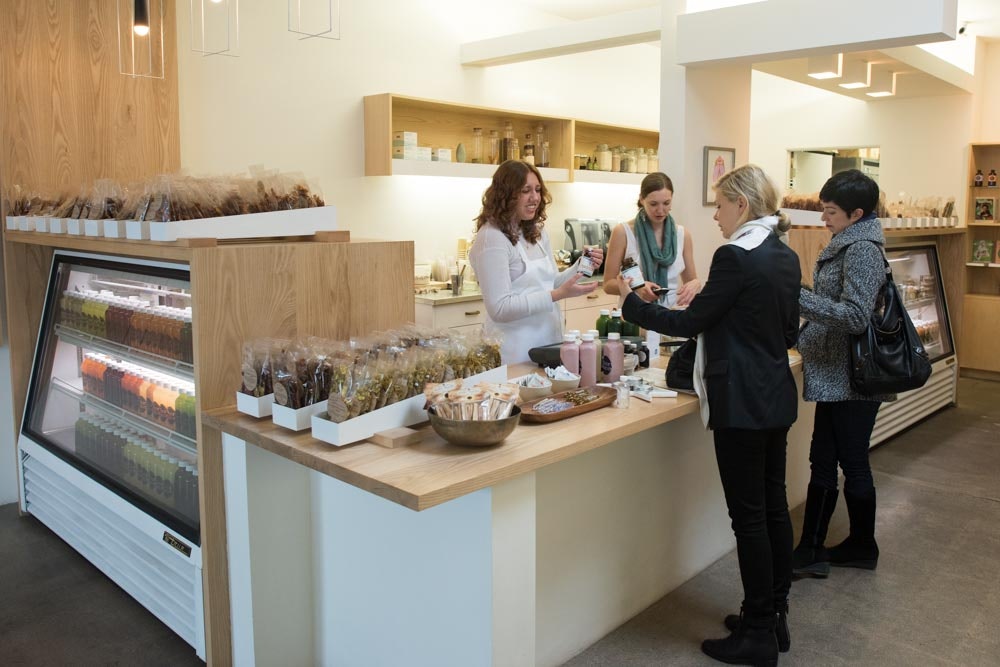
Walking into Moon Juice is an experience. Something about the lighting, the abundance of wood, and the surrounding health products is uplifting and energizing.
Spread the Juice – San Diego
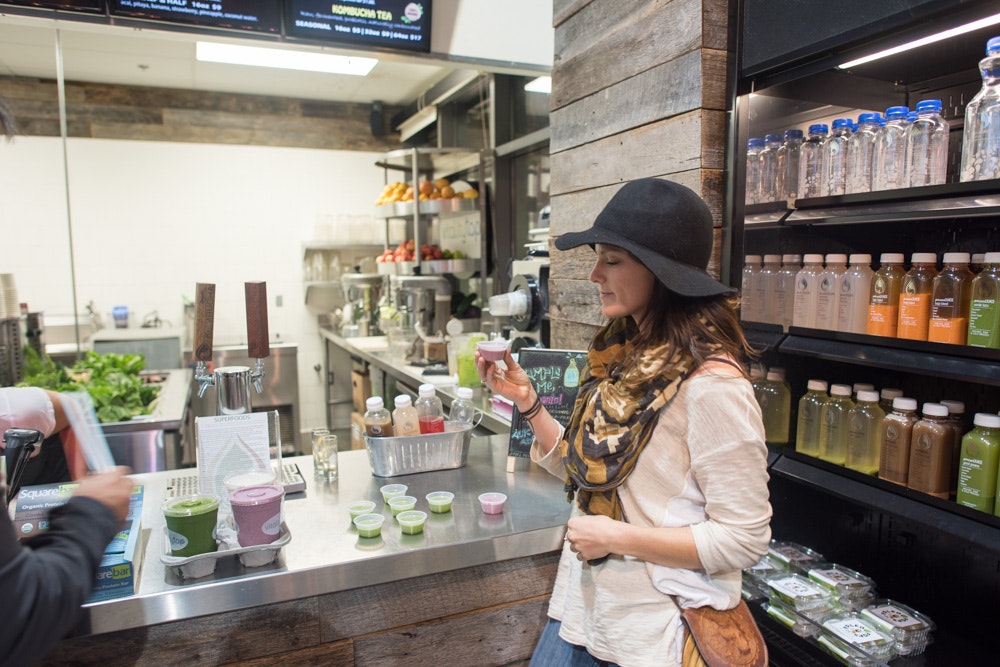
In this edition of “Spread the Juice” I meet the owners of two up-and-coming juice companies in San Diego: “Vitality Tap” and “OH! Juice.” This was a fun piece to write because both companies have great integrity and such passionate owners. Also, I threw in some cute dog pics! Vitality Tap Website: www.vitalitytap.com Instagram: @vitalitytap John Giannattasio, owner of Vitality Tap has been in the nutrition and fitness business for over 15 years, with his “Nutrition Zone” supplement stores. One side of his store on First Ave is a health and wellness bar, also known as Vitality Tap. “We have been creating healthy juice recipes and products for years before there was ever a brand name. The recipes are formed by nutrition first, then we focus on taste so getting healthy and staying healthy is as easy as possible.” Vitality Tap is always 100% organic, sourcing produce from local California farms. John said he’s definitely seeing a consumer demand for more natural, raw products than traditionally available supplements, and the wellness bar is slowly taking over more of his business. One concept that Vitality Tap is doing that I haven’t seen much elsewhere, is offering delivery of large containers of juice (1 gallon jugs). I like this idea because it encourages daily consumption of juice rather than just for an occasional cleanse. If you go to your refrigerator and there is always juice available, it becomes much easier to work it into your regular diet.
Cold Press Juicer – How Much Pressure is Too Much?
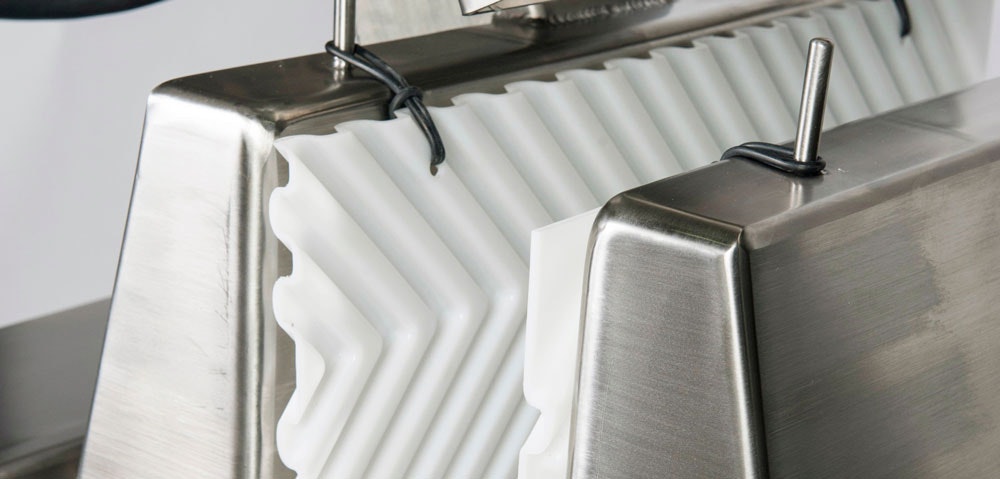
This is a guest post by Dale Wettlaufer, the founder of Goodnature, and the inventor of the commercial cold press juicer. Some of the things that nature has taught us about making the best tasting juice: Don’t squeeze too hard Don’t squeeze too fast Although the natural tendency in a busy kitchen is to get things done as fast as possible, we have to resist the temptation to do #1 and #2 above. Here is why: The ideal method is to ease the juice out at the lowest pressure possible. True “juice” is held in the vacuoles which are like big bags of juice inside most plant cells. Generally speaking, if you cut the walls cleanly the juice will drain out under gravity with almost no help from a press. In the making of wine, where there are more aficionados and experts than any other field I know of, the first, or “free run” juice is the most sought after, and used for the expensive wine that will carry the label of the maker. Most wine presses used today are careful not to use more than 30 psi (pounds per square inch) on the crushed grape mass. They have learned that bitter “notes” and bitter tannin flavors from the skins and seeds can intrude when the pressures get higher. They most often press slowly being careful not to exceed 30 psi. This takes longer than a fast, hard squeeze, but these winemakers are after quality more than quantity or speed. Similarly, we have learned over time to not squeeze too hard either, and the last 40 years in the juice press business we have been adjusting our machines to reach the perfect pressures and speeds. If we squeeze too fast, the finely ground particles will turn into mush and squeeze through the press bags like gravy, making the juice murky. If we take our time the juice will be crystal clear. Oils from the seeds and skins will be squeezed out if we press too hard, and the juice will be inferior. As proof of this fact, note that the Goodnature X-1 press (the foundation of many juice companies today), is capable of much higher hydraulic pressures, but we set it at the factory at a reduced pressure of 1800 psi in each cylinder, which translates to about 40 psi on the produce. We set the machine at this pressure simply because it makes the best tasting juice. You just don’t need more pressure than that. If we went with thicker bag layers and turned up the pressure we could produce more juice per hour but you might not want to drink it. Take it easy man! That’s what nature has taught us. We listened. – Dale
Spread the Juice – Australia
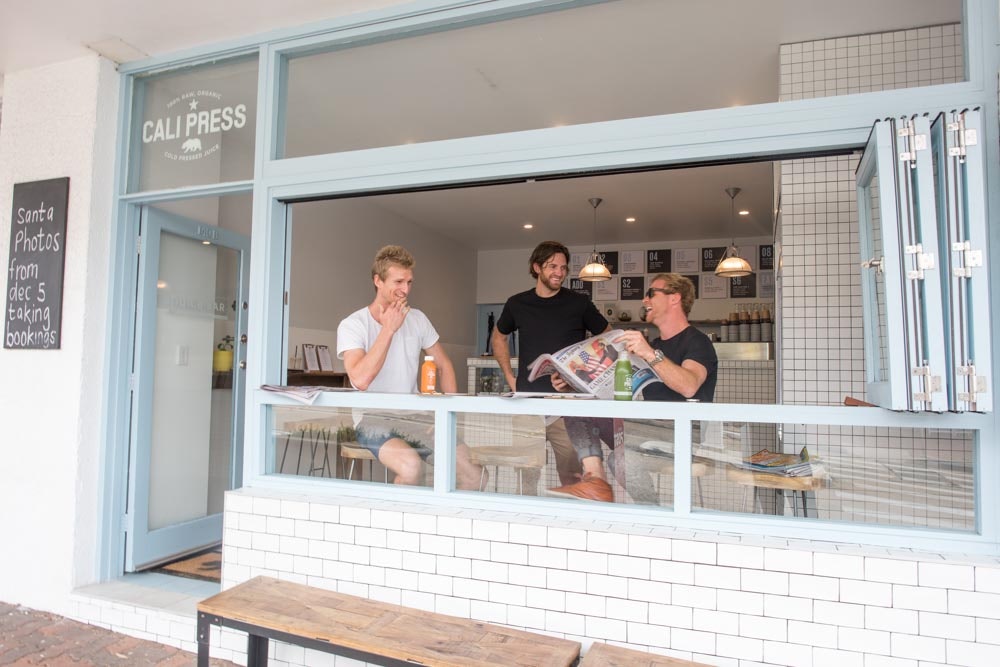
In this edition of “Spread the Juice” I stop in and speak with two up and coming juice companies in Australia – Liquefy Juice Co in Brisbane, and Cali Press in Sydney. Liquefy Juice Co – Brisbane Website: www.liquefyjuiceco.com.au Instagram: @liquefyjuiceco I caught up with David, the founder of Liquefy Juice Co and we had a chat about how his new cold pressed juice business is doing. He has some great recipes, and is doing something that I’ve never seen before – a 24 hour juice bar! Who would need juice at 3am? David says the 24 hour location gets a lot of “Policemen, late night workers, and people out late enjoying nightlife looking for a guilt-free drink or meal.” Even more amazing than his 24 hour juice bar concept, is the speed at which his company is growing. Breaking ground on his first store just a few months ago, he is already set to open store number six. I haven’t seen growth this fast since the early days of Juice Press in NY. I asked David how he responds to someone that says juice is just a passing trend, and he gave a solid answer. “Nobody wakes up one day and says, I really have to stop eating so well. Once people change their life for the better, they don’t go back.”