How To Earn More Profit in Your Juice Business
You did it! You started your own juicing business and have been able to survive most of the challenges of opening a business. You created recipes, navigated the health department, and got enough money together to make your dream a reality. But now there’s a new challenge – how do you actually make your business profitable? Here are what I consider the four easiest ways to increase your bottom line: Add the add-ons If someone comes in for a juice or smoothie, are you also offering them add-ons like wellness shots, raw snacks, specialty food items, and other products? Offering add-ons can be an easy way to increase the average ticket of a customer, and also increase profitability.

The Importance of Maintaining Your Juice Equipment
Sometimes we will receive a frantic call from a panicked juice bar owner – their juicer is down! When they can’t make juice, their whole business comes to a halt. Usually it’s something simple that can be resolved over the phone, but sometimes it is something more serious that can cause the machine to be down for a day or two before it’s repaired. This is a very unfortunate thing to happen for a juice business.
Juice Shot Recipes: Sweet Revenge & Toxin Ninja
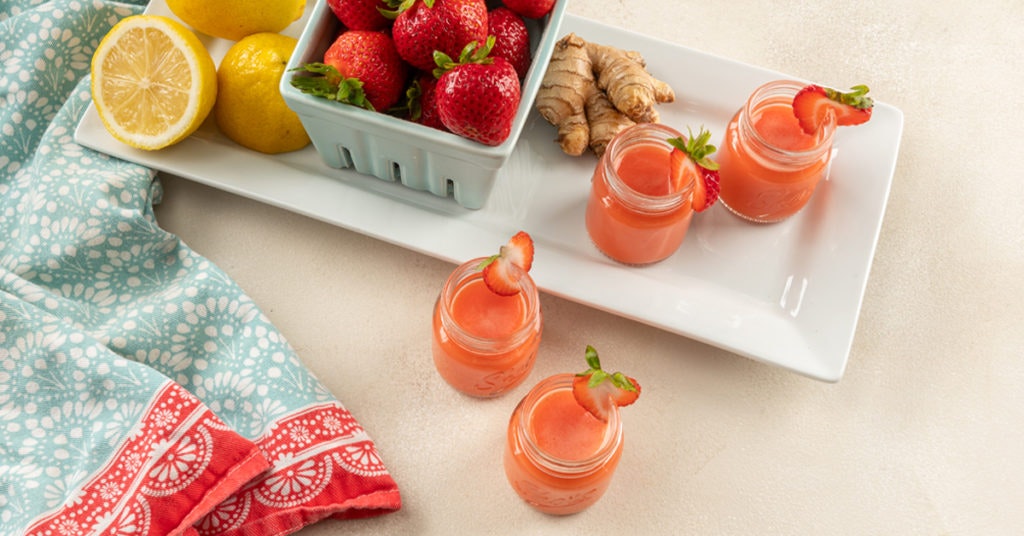
Small portions of nutrient dense juice, commonly referred to as detox shots, wellness shots, booster shots, or immunity shots are gaining popularity. Health-wise they pack a huge punch of vitamins and antioxidants in a small 2oz – 4oz shot.
Behind the Juice – A New Documentary Series About the Cold-Pressed Juice Industry
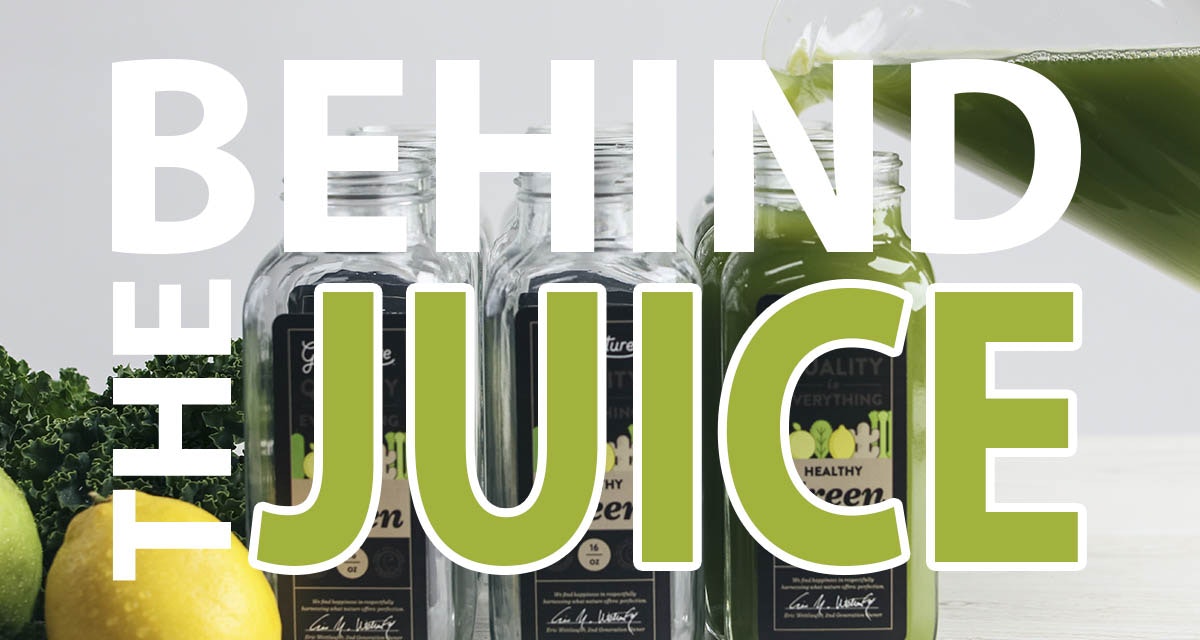
Over the last six months, I’ve been working on a new project that I’m calling “Behind the Juice,” a documentary series consisting of short 10-15 minute episodes where we go behind the scenes at the fastest growing and most well respected cold-pressed juice companies. In each episode, we meet the owners of a juice company, tour their facilities, and talk with them about how they got started and where they’re going. We discuss challenges of starting a juice business, the state and future of the industry, and get to taste some juice. The first season will consist of four episodes beginning July 5th and airing monthly on my channel, Cold-Pressed Truth, featuring the following companies: Cafe Gratitude – Los Angeles, California Solti Juice – San Diego, California Clean Juice – Charlotte, North Carolina Apples to Applesauce – Portland, Oregon If there is generally a good response to the first season and it gets a decent amount of views and shares, we will start filming season two right away, and branching out to include juice companies from other regions of the world including the UK, Australia, Japan, Korea, and Western Europe. So if this is something you want to see more of please subscribe to my channel and share on social media. I would love to hear which companies you would like to learn more about in future episodes. Please comment below if you have any suggestions!
Amazon Buys Whole Foods – What Does this Mean for Cold-Pressed Juice?
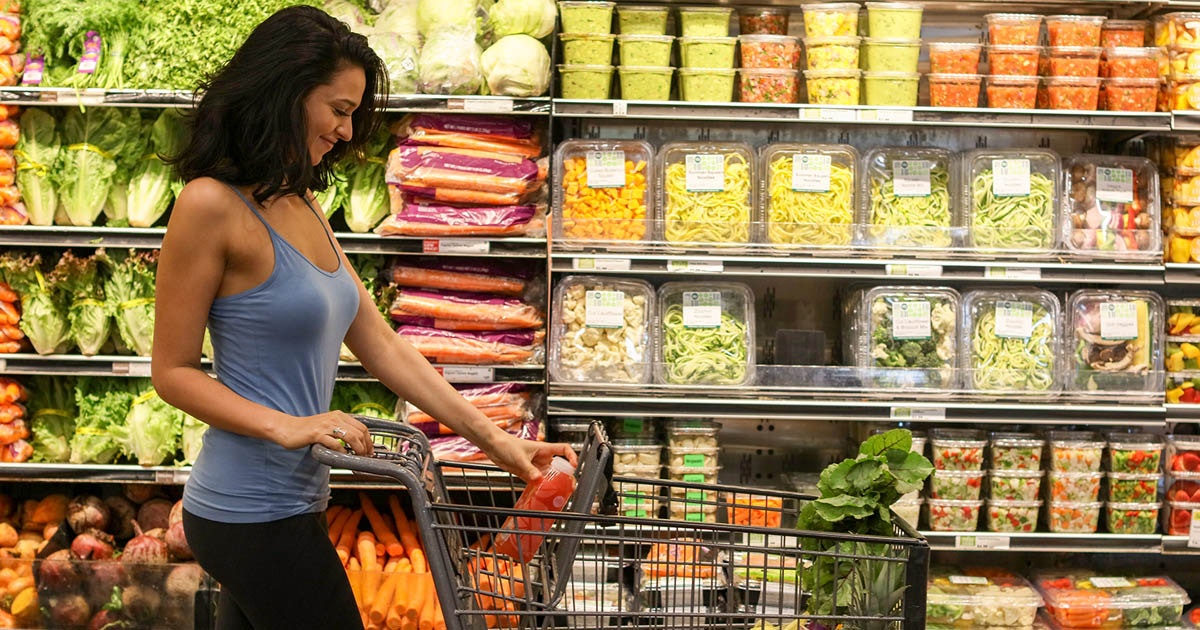
It’s been all over the news – Amazon agreed to purchase Whole Foods Markets in a cash deal for $13.7 Billion USD. Wow. There has been a ton of articles on how this will affect the grocery industry and Amazon as a company, but how will this affect juice? (If you prefer a quick video analysis, you can check it out on my personal youtube channel here.) Let’s look at some facts about each company to help us better understand how this will impact the juicing industry. Whole Foods Here is a brief timeline of Whole Food’s juicing programs. (Dates are estimates) 2012 – Whole Foods was one of the first national chains to carry cold-pressed juice, with brands like Blueprint and Suja. 2013 – Whole Foods starts making their own cold-pressed juice in some stores. 2014, April – Whole Foods awards Suja their “Vendor of the Year” award. 2014-2015 – Whole foods expands their in-store juicing through their Western, Southern, and Mid-Western regions. 2015-Present – Whole Foods continues to expand their juicing program, with in-store juice bars and their private label cold-pressed juice offerings. Amazon Let’s look at what lead up to Amazon purchasing Whole Foods (Dates are estimates, most dates from wikipedia): 1994, July – Amazon launches as an online bookseller and disrupts the brick and mortar bookstore industry and goes public a few years later. 2005, February – Amazon Launches Amazon Prime, a paid membership program that offers free 2-day shipping on eligible purchases. 2007, August – Amazon Launches Amazon Fresh, a grocery delivery service. 2015, September – Launches Amazon Prime Now, a restaurant, grocery, and “essentials” delivery service that can deliver goods in under two hours in select cities. 2016, December – Amazon opens Amazon Go, a brick and mortar grocery store with innovative technology open to amazon employees as part of their beta test program. 2017, June – Amazon Purchases Whole Foods Markets, Fashion Dress Market, Fincluding their US, UK, and Canada operations. So looking at this timeline, it’s obvious that Amazon has been looking at the grocery industry for years now. Amazon loves to find BIG industries that they can disrupt. The grocery industry is massive, at about $580B revenue in 2016. WFM only represents a small chuck of that at about $15B in 2016, compared to larger competitors like Kroger which had revenue of about $115B in 2016.
How to Make Cold-Pressed Nut Oil
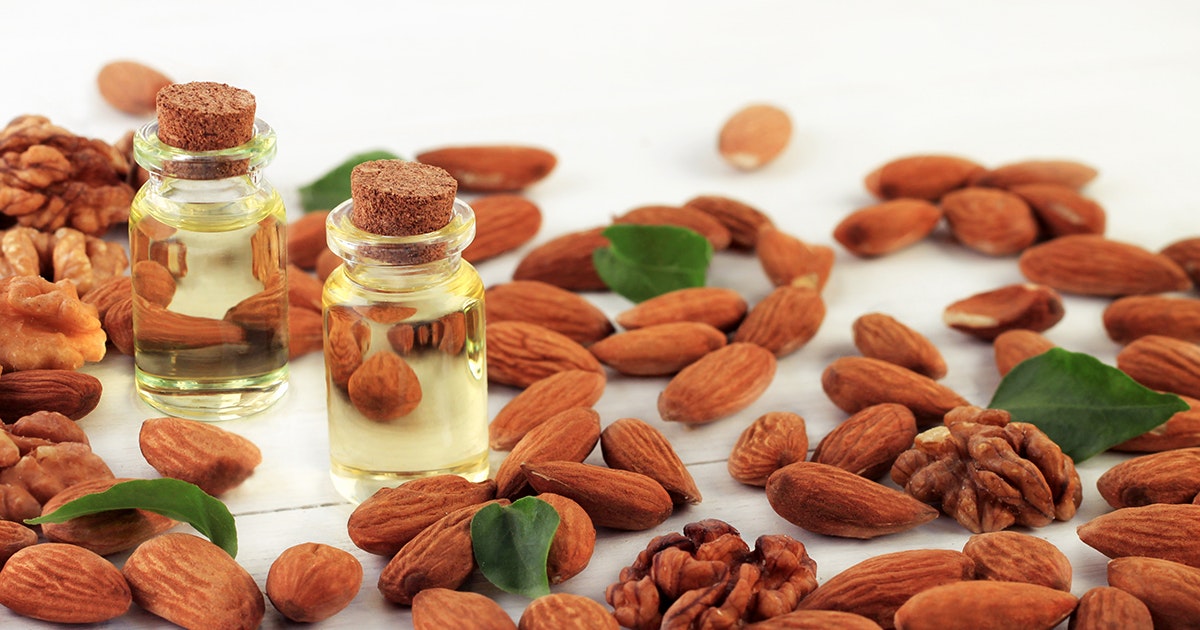
Making your own cold-pressed nut oils is a great alternative to purchasing costly cold-pressed oils or even the less expensive “refined” oils. Refined oils use heat during pressing which often destroys the delicate nutty flavor. Using a cold-press to extract oil from nuts and seeds is easy and efficient.
How to Prepare Produce for Juice
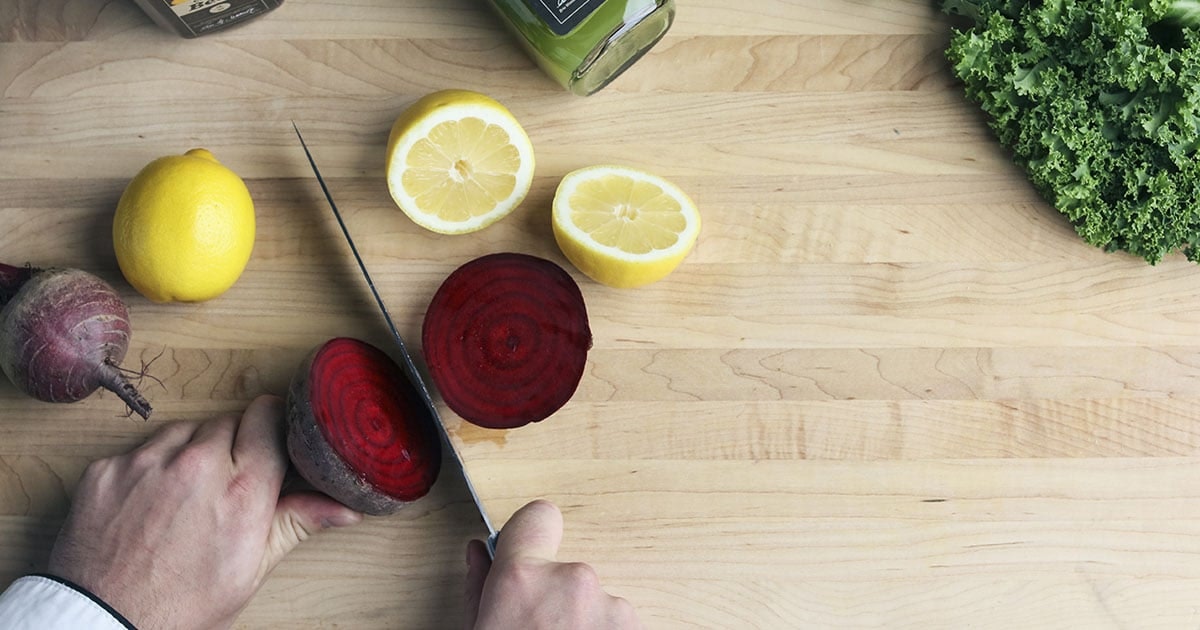
Should I peel, de-seed or remove? I get these types of questions a lot and have found that when prepping produce for juicing on our juice presses, the way you prep certain items will depend on functionality and your personal preferences. Here are some of my tips to help guide you: General Tips: Always wash produce thoroughly and use a produce or antimicrobial wash – when serving a raw, unpasteurized juice, you want to make sure the product is as clean as possible. If the peel doesn’t affect the flavor or color of the juice – don’t peel it! There is a large concentration of beneficial nutrients in the outer layer of many fruits and vegetables. If the seeds are the size of a cherry pit or larger, remove them – pits and large seeds can lend a slightly bitter flavor to juice, as well as wear down or even damage blades. For large items (pineapples and larger), I prefer to cut into quarters – this will make it easier to process the produce at a more consistent rate. Working with a very mushy, “unjuiceable” fruits? You can try blending them into a puree and then add that puree to the juice for a nice texture with a unique flavor. Learn more about adding purees to juices here. Apples: You can keep whole and unpeeled. Beets: Remove the top ends and clean the bottoms thoroughly. If they are small in size, I remove the bottom skinny part as well. Berries: These small, fleshy fruits have a soft texture and do not contain a lot of liquid. I recommend using a blender to blend into a puree, then add it to the juice. To use more as a color and flavor infusion – lightly process, then press with your other recipe ingredients. Carrots: I like to remove the top ends of the carrots due to the fact that it’s tough to remove all the dirt. Note: Get this free Juice Recipe eBook to start making delicious recipes at home! Every recipe in the 25 Essential Juice Recipes eBook was crafted by Chef Ari Sexner, a world-class juicing expert who is responsible for every tasty blend on Goodnature. Download it for free right here!
6 Essential Recipes for Cold Pressed Juice
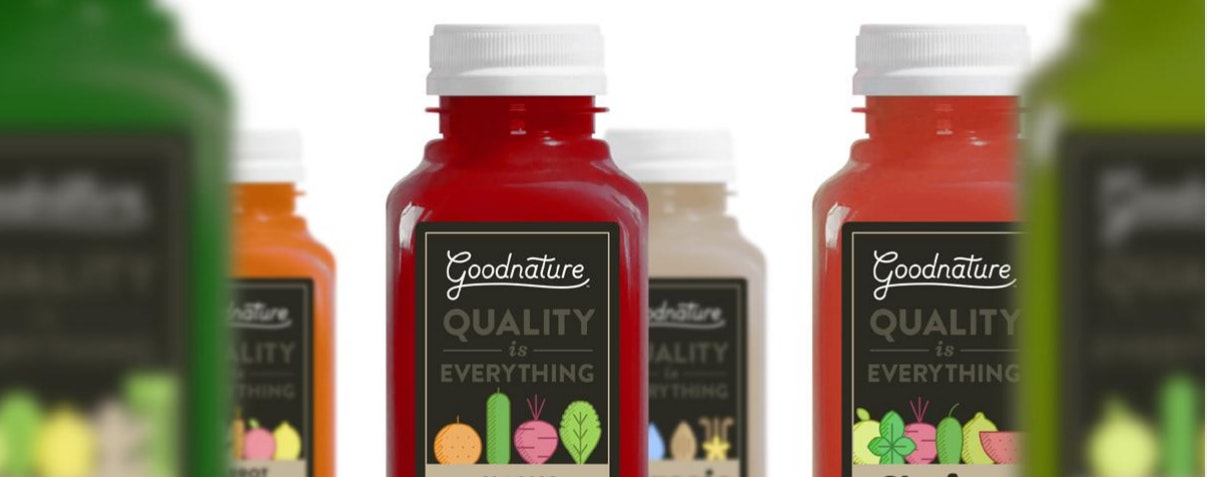
Deciding on a menu can be intimidating. Our consultant, Ari, has come up with hundreds of recipes, and these are some of the favorites. People LOVE these recipes.
The Truth About HPP Juice
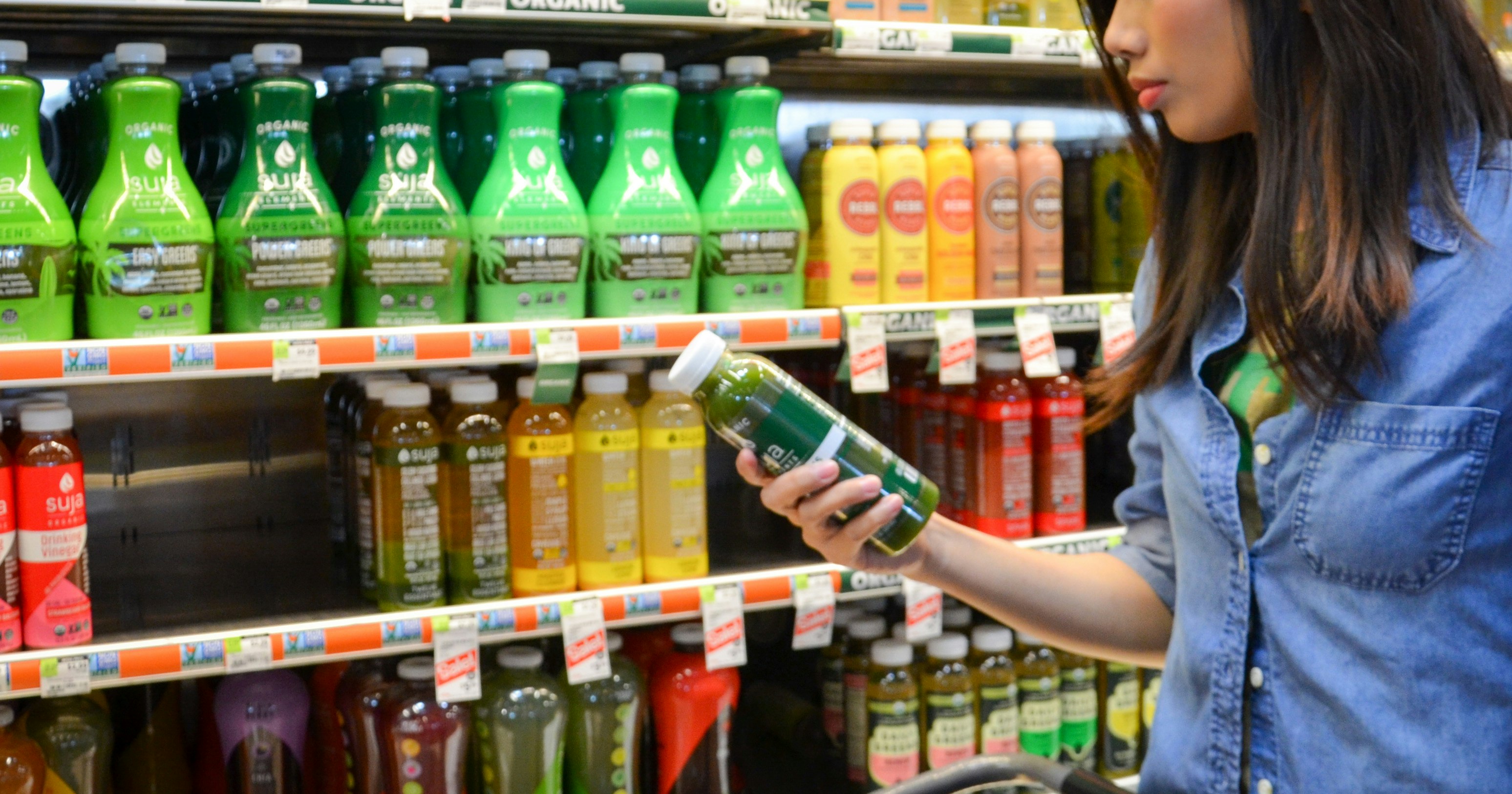
If you have purchased a major brand of cold-pressed juice lately, chances are it has undergone the process of HPP (High Pressure Processing). Since there is some confusion about the technology I want to describe the process of HPP, dispel a few myths, and finally discuss why HPP is important and how it has helped our industry.
Cold-Pressed vs Centrifugal Juice – A Visual Comparison
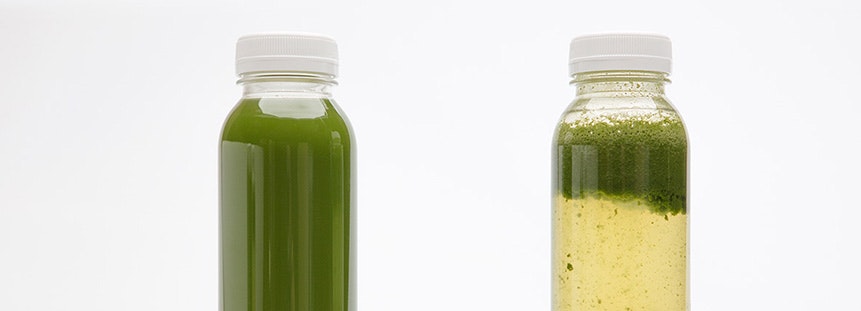
Lots of people debate whether or not there really are differences between juice made using a press and juice made in a centrifugal juicer. Last year, we had the two types of juice analyzed by a certified food lab and published the results. The results showed that the nutrients in centrifugal juice break down much faster than they do in cold-pressed juice.
Goodnature Now Offers Nutritional Analysis and Labeling for Cold-Pressed Juice
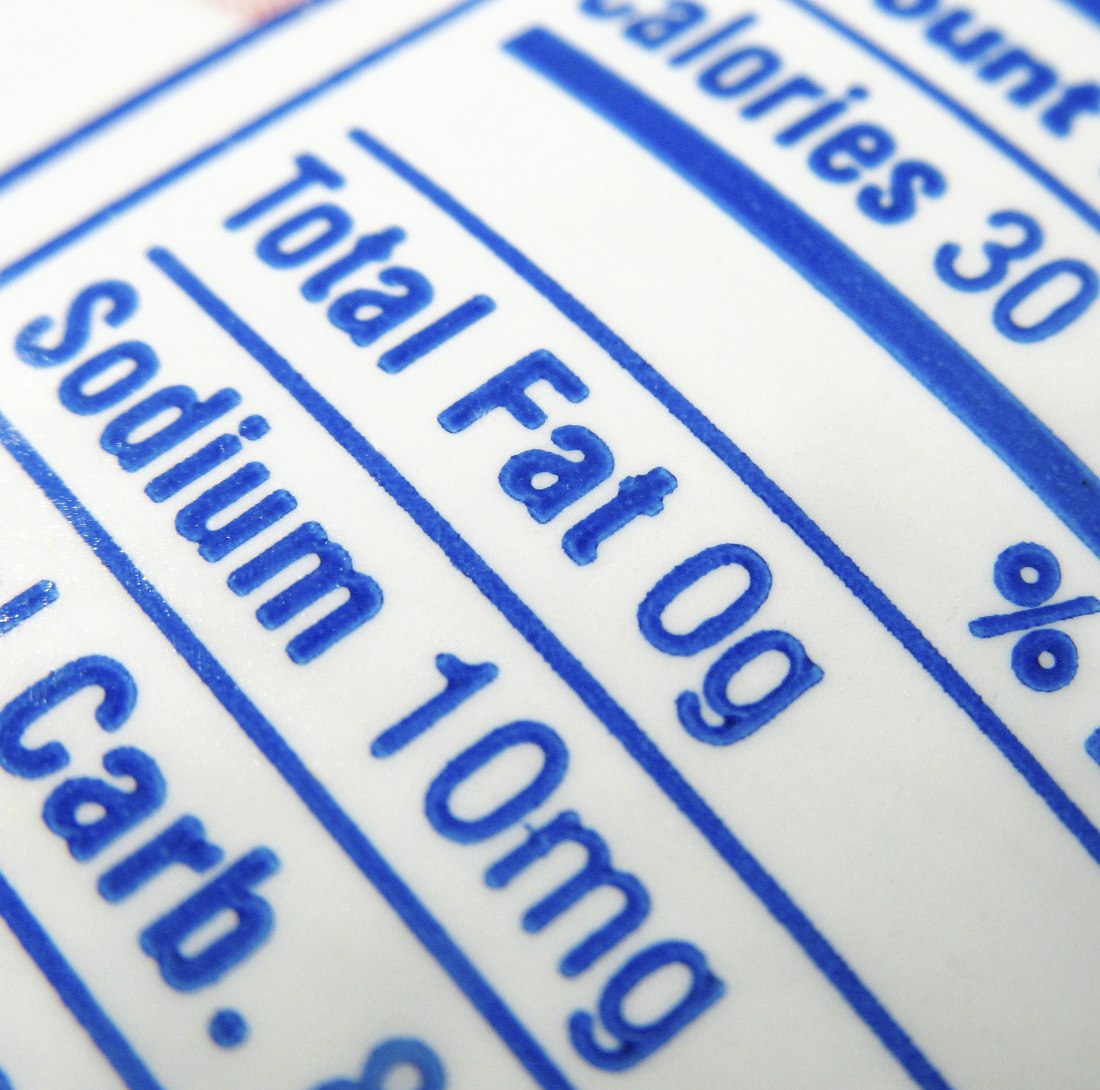
A constant struggle for small juice businesses is having their recipes analyzed so they can properly label their juice with nutritional content. The FDA and other government entities require that all packaged foods contain nutritional labeling. Goodnature now offers full nutritional analysis and label creation as a service.

4 Steps to Creating a Juice Bar in a Grocery Store
The “Fresh Format” grocery store is becoming the standard. Let's take a look at the four main steps you need to consider when starting a fresh juice program in a grocery store.